Transform Driveway Shots Into Dealership Studio Photos
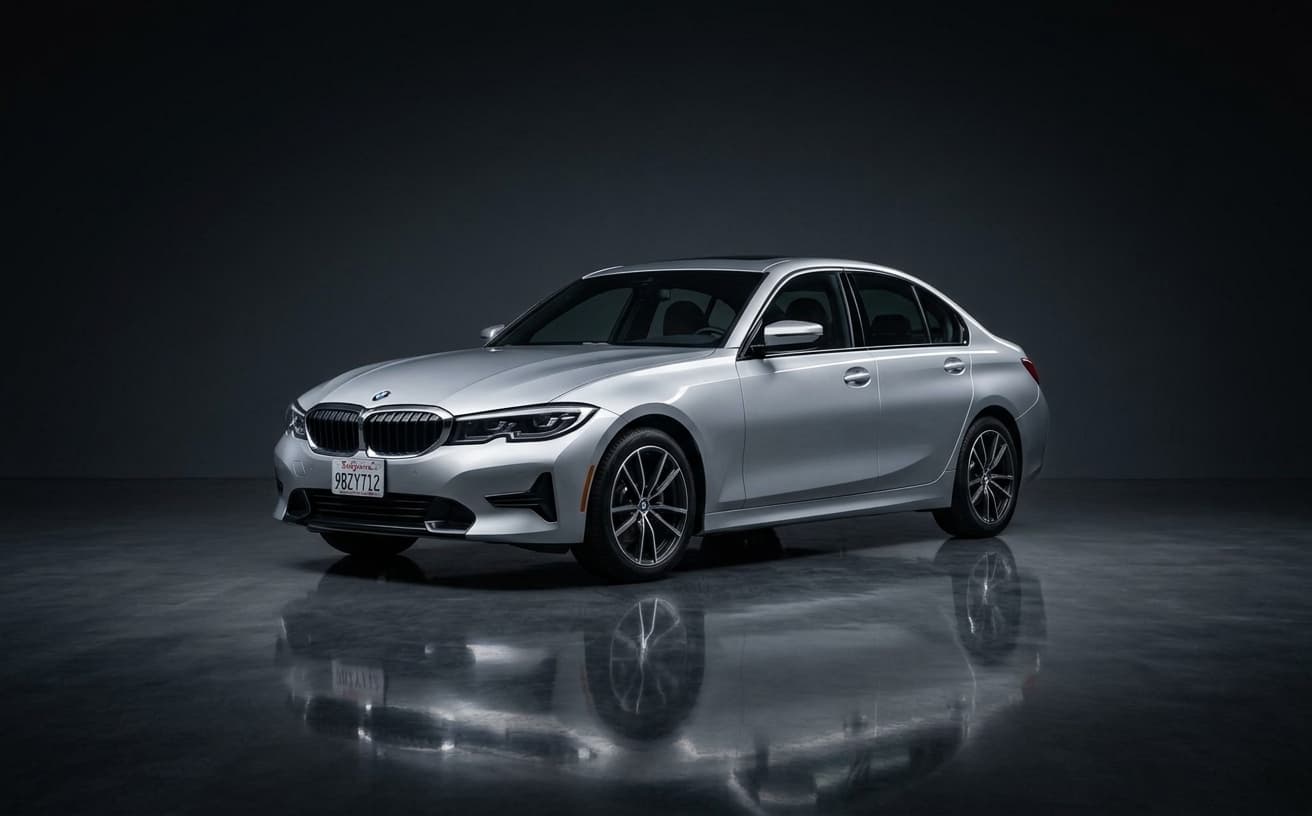
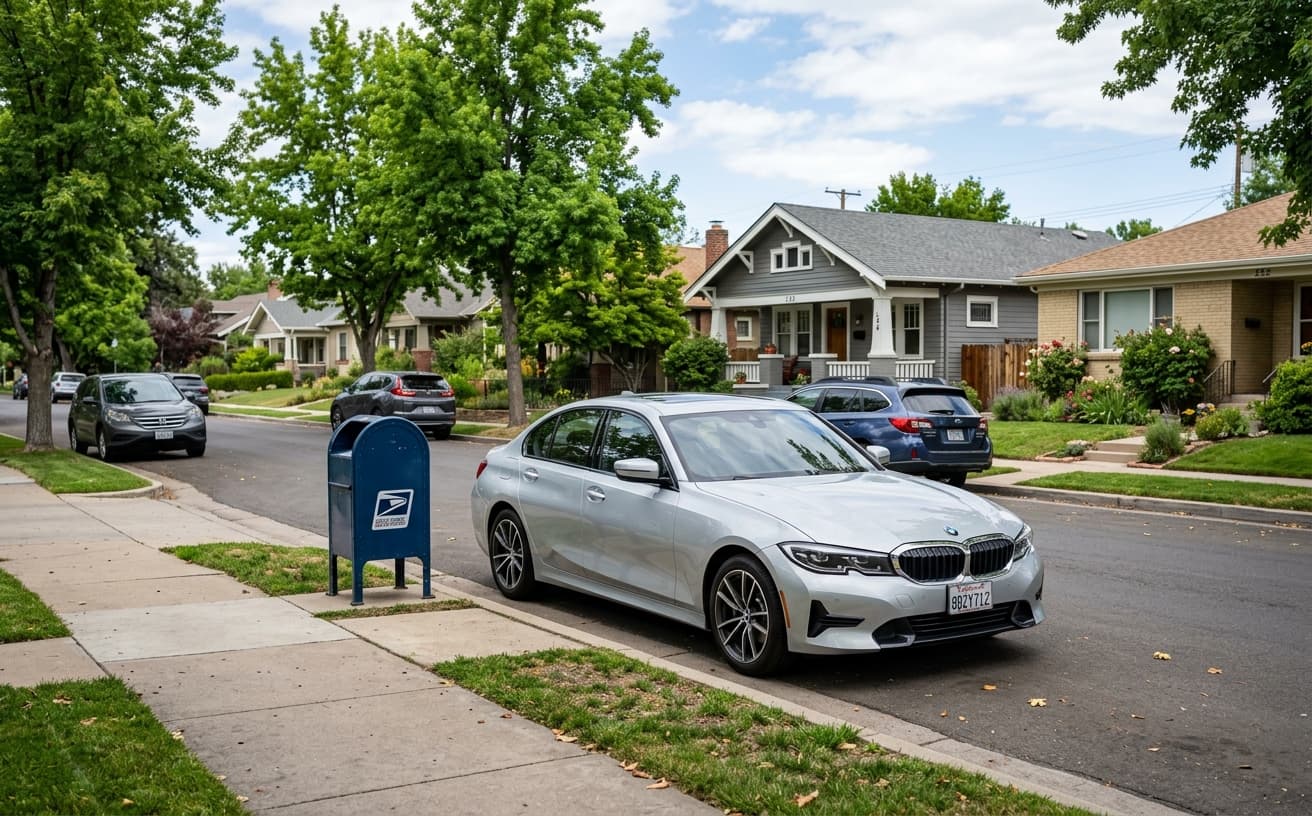
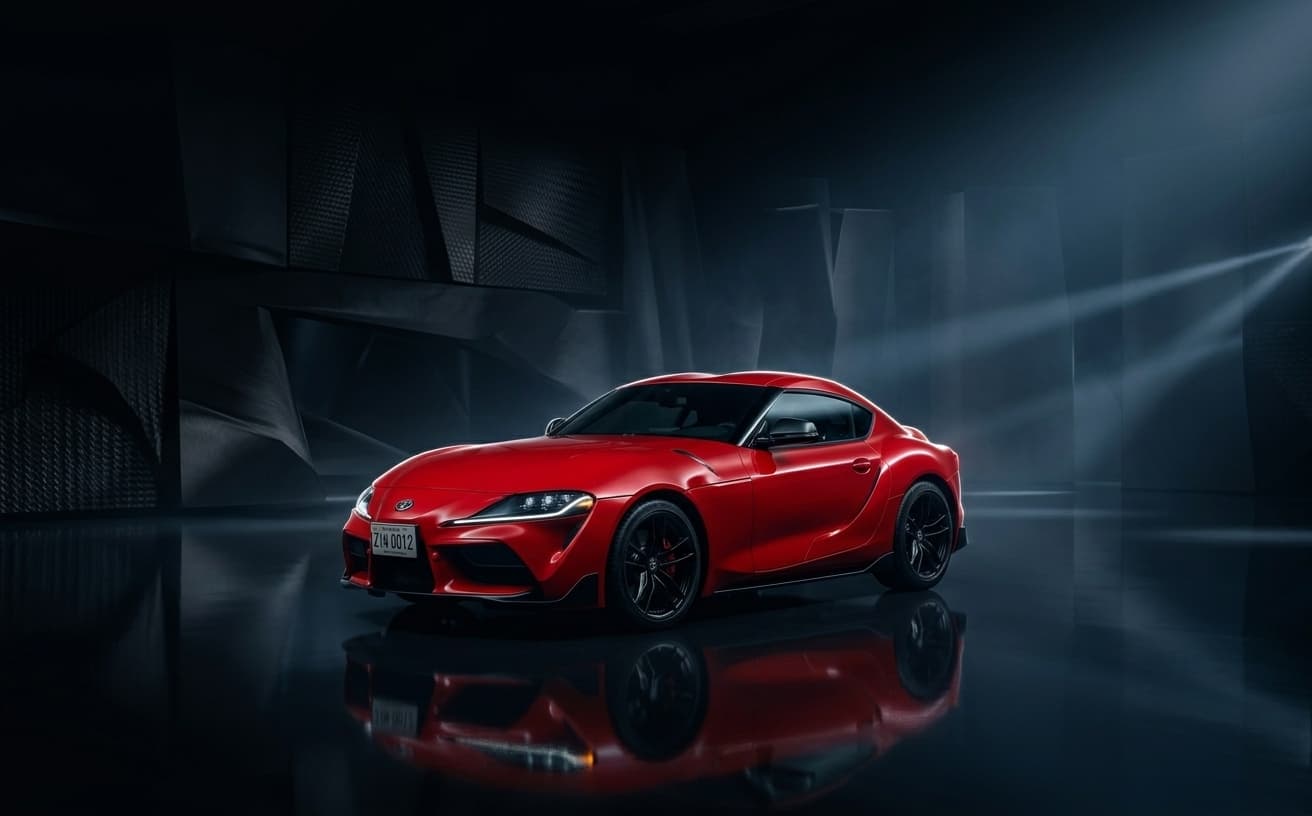
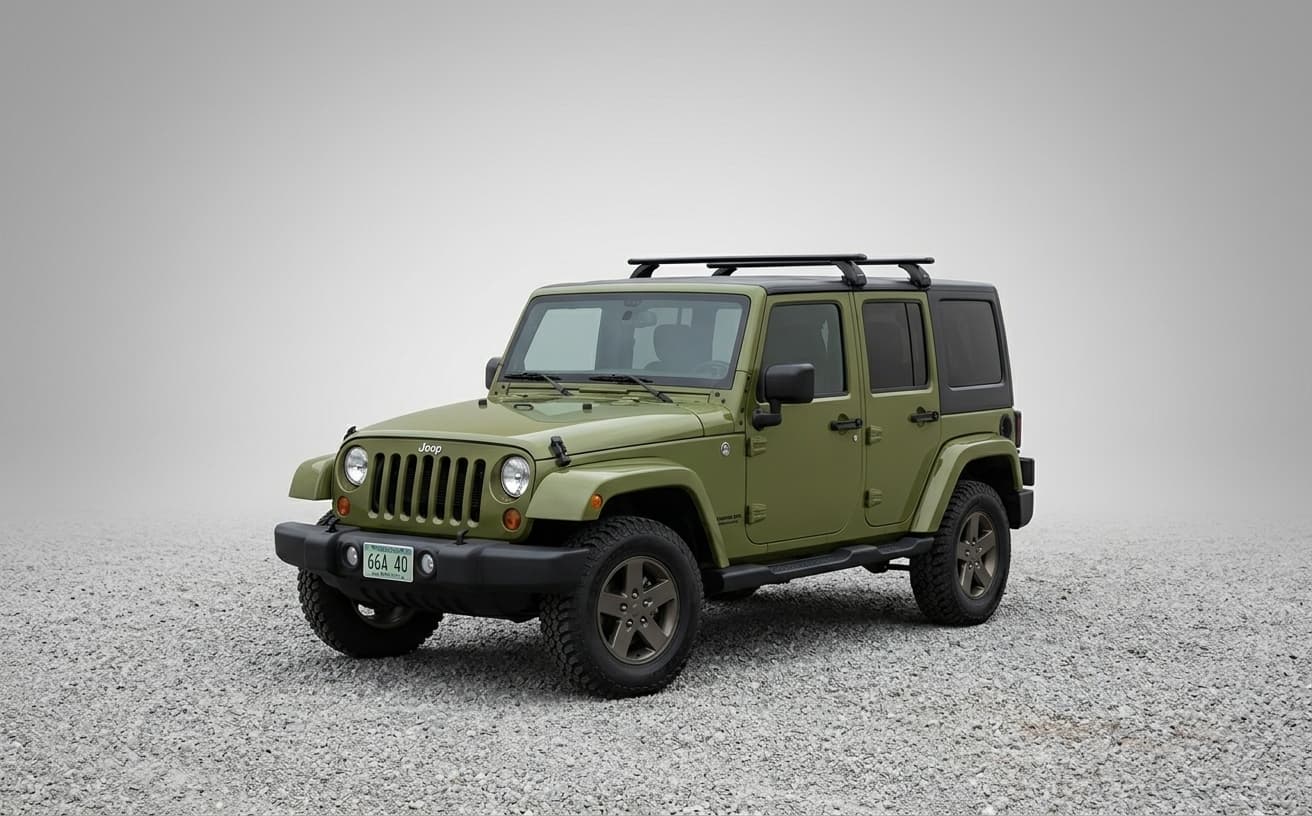
Put every vehicle on the same clean backdrop — white, grey, showroom or gradient — from photos taken wherever the car happened to be parked. The contact shadow stays, so the car does not float.
1K: 1 credit · 2K: 6 credits · 4K: 10 credits · Trial previews have a watermark. See credit packs
Loading photo editor…
Inconsistent Backgrounds Make Your Inventory Look Unprofessional
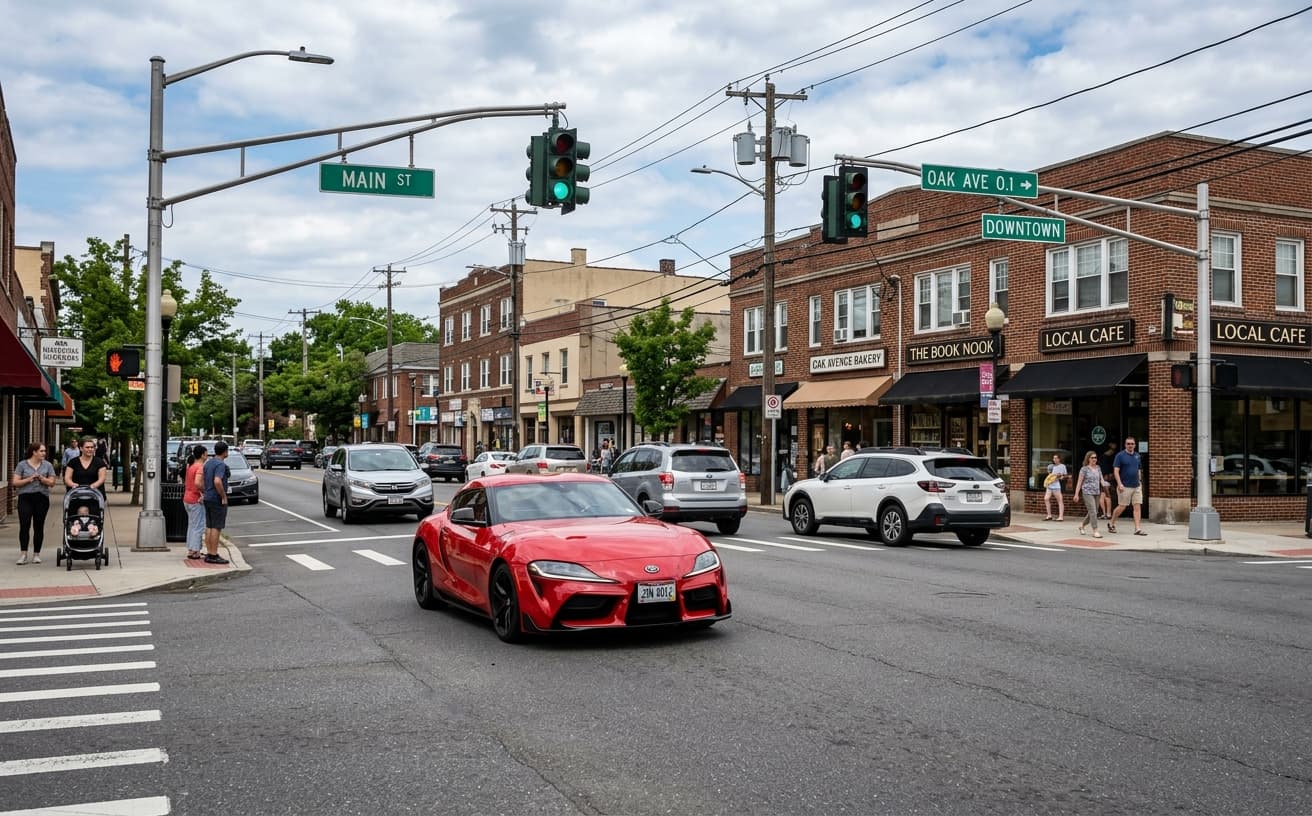
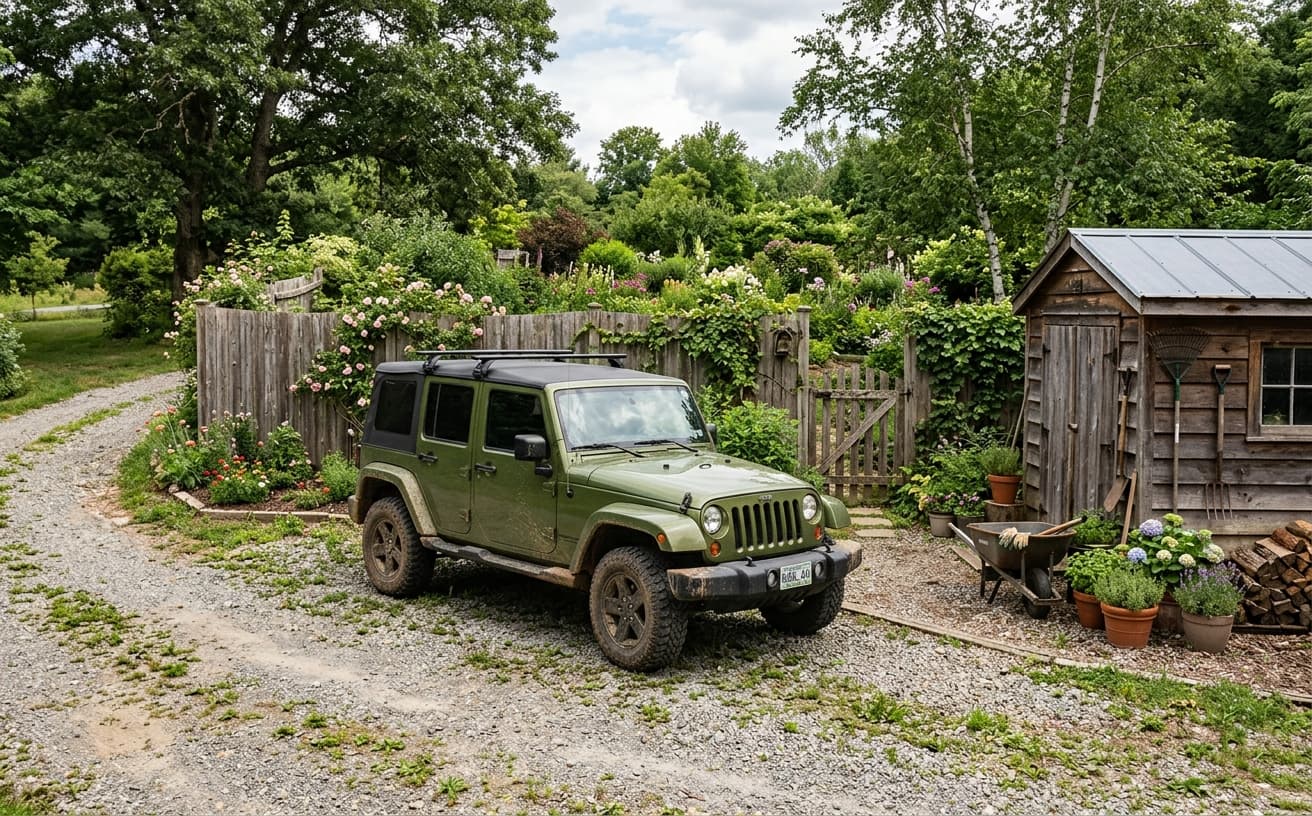
Vehicles photographed across different locations — parking lots, driveways, streets — make an inventory page look disorganised, and buyers see the grid before they see any single car. Studio photography runs $100–$200 per vehicle. This puts every car on the same backdrop from the photos you already have, so the inventory reads as one coherent catalogue.
Background Options
Professional backdrops for every brand
White Studio
Clean white background, dealership standard
Black Studio
Dramatic black backdrop for luxury vehicles
Showroom Floor
Indoor showroom with professional lighting
Outdoor Scenes
Mountain, city, or scenic backgrounds
Real Results Gallery
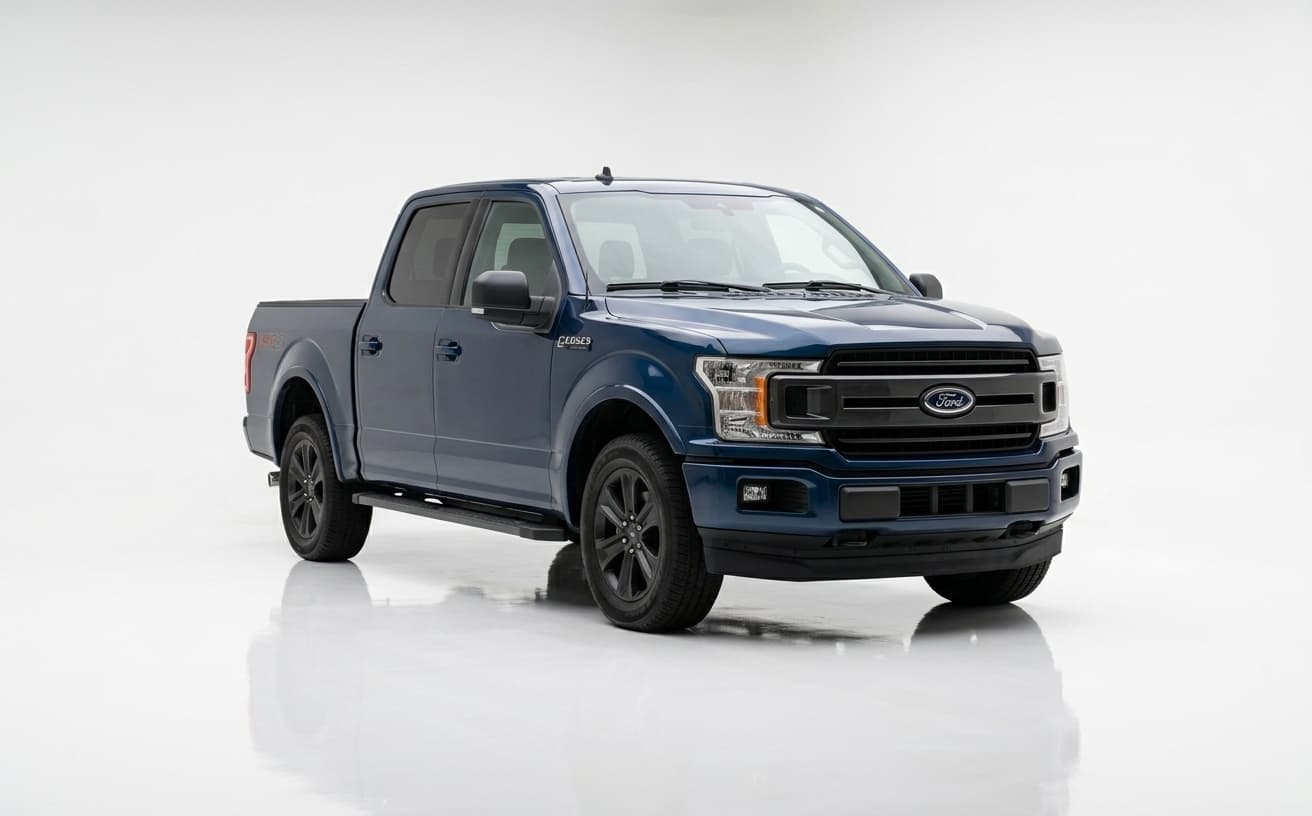
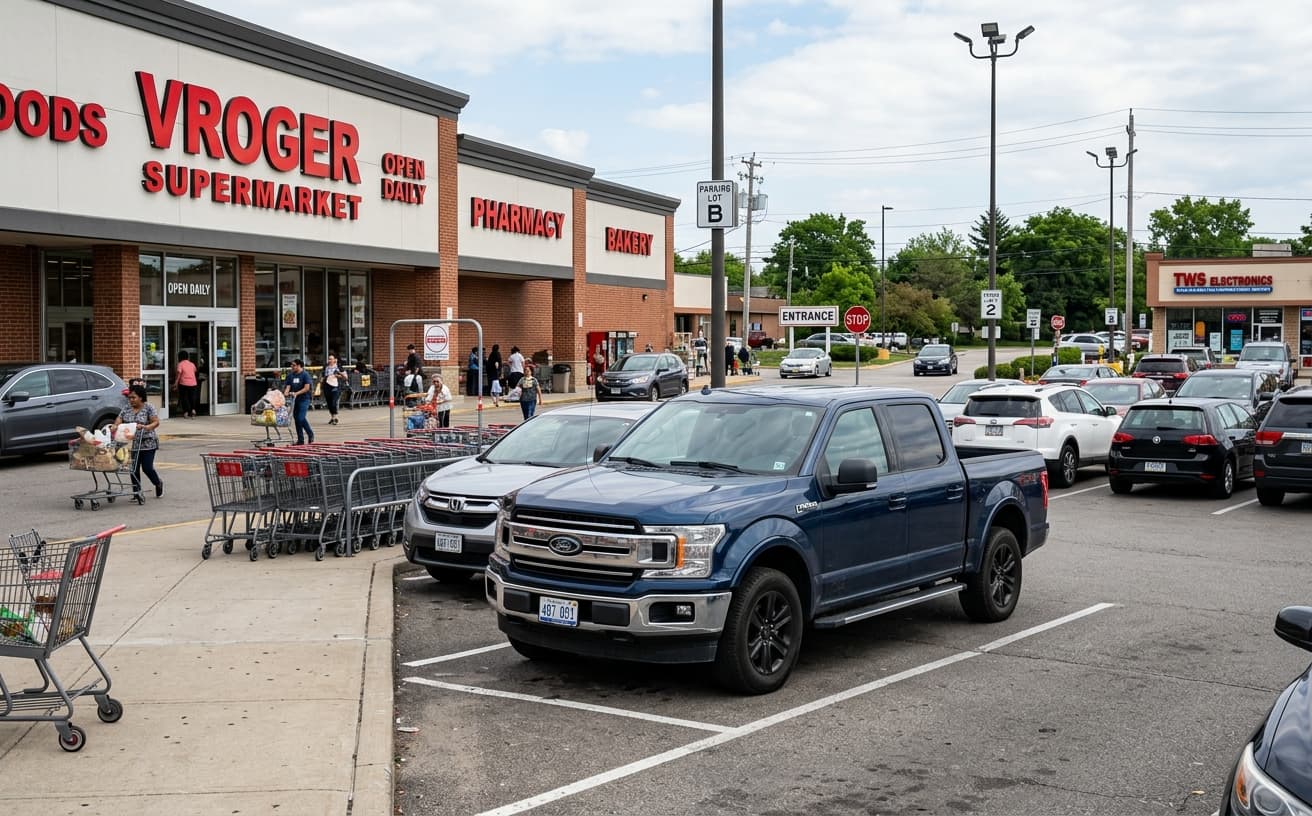
See how AI transforms photos with professional editing
Professional AI Editing
Compare the original and edited image
Natural Results
Check edges, lighting, and fine details
AI Transformation
AI-powered enhancement
Premium Quality
Review the result before downloading
How to Replace Car Photo Backgrounds with Studio Settings
Professional backgrounds in minutes
Upload the photos
One car or several at once. Forecourt, driveway or street — the location does not matter.
Choose Background
Select studio style: white, black, showroom, or outdoor.
Process & Download
AI adds backgrounds with perfect lighting. Download all.
Consistent Inventory Presentation
What the backdrop swap actually buys you
A practical way to review your edit
Keep your original and check the generated image before you use it.
Start with one photo
Choose a clear source image and describe one specific change. A focused request makes the result easier to compare with your original.
Review the important details
Compare paint, body panels, wheels, badges and visible condition with the original. Keep the vehicle represented accurately in your listing.
Choose the result before exporting
Each AI edit uses 1 credit at 1K. Your first credit is free after signup and email verification. Free exports have a watermark; paid credits unlock watermark-free exports.
Questions & answers
How do I put a car photo on a studio background?
Upload the photo and say which backdrop you want — white, grey, showroom. The vehicle is cut from its surroundings and placed on the new background with a contact shadow under the tyres so it still reads as a photograph rather than a render.
What does it cost per photo?
One edited photo is one credit. Packs run 30 for $7, 75 for $15, 200 for $30 and 500 for $60 — between 23 and 12 cents a photo. A free account gets one credit after email confirmation and its exports carry a small weezard.app mark; any paid pack removes it.
White, grey or showroom — which backdrop should I use?
White is the dealer convention and reads as a professional listing, but white cars disappear against it. Grey is safer across mixed stock. Showroom or gradient suits premium vehicles. Private sellers usually do better keeping a real setting.
Why does my result look like a cut-out?
Almost always one of two things: no contact shadow under the tyres, so the car appears to hover; or harsh directional sun on the vehicle that contradicts the even light a studio backdrop implies. Photos shot in overcast light composite far more convincingly.
The old background is still reflected in the paint. Why?
Replacing the backdrop does not touch the car’s own surfaces, and a car is effectively a curved mirror. Remove the reflections first, then replace the background — doing it in that order is much easier to judge.
Can I do a whole lot consistently?
Yes, and consistency is the main return. Buyers see your inventory as a grid before they see any single vehicle, so one backdrop across every car does more for the listing page than an exceptional photo of one of them.
Is the output big enough for dealer sites and feeds?
Output is full resolution at the size you generate. Most dealer platforms and syndication feeds downscale on upload anyway, so the practical limit is usually the quality of the original shot rather than the export.
Is this as good as a real photo studio?
No, and it is worth being straight about why: a studio controls the light falling on the car, while background replacement only controls what sits behind it. For hero and marketing shots on premium stock, photograph properly. For the rest of the inventory the gap is much smaller than the cost difference.
Studio Backgrounds Without a Studio
A studio background does one job: it removes everything competing with the car. Real photo studios achieve this with a cyclorama wall, controlled lighting and a rig that costs more than the vehicles being photographed. Background replacement gets to a similar place from a photo taken on a forecourt, provided you accept the one thing that separates the two — a real studio controls the light falling on the car, while replacement only controls what is behind it.
That distinction predicts where this works and where it does not. A car shot in flat overcast light against a messy background replaces beautifully, because the lighting on the vehicle is already neutral and only the surroundings need to go. The same car shot at 2pm in July has hard directional sun, a black shadow down one flank and a bright rim on the other — drop that onto a clean white sweep and it reads as a cut-out, because the light on the car disagrees with the light implied by the backdrop.
The contact shadow is what sells the result. A vehicle floating on pure white with no shadow beneath it looks like a product render, not a photograph, and buyers register the difference instantly even if they cannot explain it. A soft shadow under the tyres anchors the car to the floor and does most of the work of making the composite believable. Check for it before publishing — if the car appears to hover, the photo will undersell an otherwise good listing.
Which backdrop to choose is a question about who is selling, not about taste. Pure white is the dealer and manufacturer convention, and buyers read it as a business listing with the presentation budget that implies. Mid-grey is more forgiving: white paint disappears against white, and a grey sweep keeps light vehicles readable. A showroom or gradient backdrop sits between the two and photographs well for premium stock. Private sellers are usually better off keeping a plausible real setting — a clean driveway or an empty parking area — because a studio-perfect private listing reads as dealer-flipped and invites suspicion.
Consistency across the inventory is the actual return here, and it is easy to underrate. Any lot of forty vehicles photographed over two months carries visible variation: light shifts by the hour, the background changes as stock moves, white balance drifts with the weather. Individually every photo is acceptable. Scrolled as a grid, the variation reads as disorganisation, and disorganisation reads as a business that may also be careless about servicing records. Putting every vehicle on the same backdrop fixes the grid view, which is the view most buyers actually see first.
Reflections are the complication that background replacement does not solve on its own. A car is a curved mirror, so the original surroundings are still painted across the doors, bonnet and glass after you have replaced what is behind it. Swap in a white studio and the paintwork still shows a red brick wall and a silhouette holding a phone. For anything shot in a cluttered space, clean the reflections first and replace the background second — in that order, because reflection removal is easier to judge against the original surroundings.
Wheels and the ground line are where composites usually fail on close inspection. Tyres meet tarmac with a soft, dirty transition; against a clean sweep that transition has to be rebuilt, and a hard edge there is the single most common tell. Zoom to the contact patch on every photo before publishing. The second place to check is glass — window openings often keep a thin halo of the original background, most visible on dark vehicles against light backdrops.
Pricing, plainly. One edited photo is one credit. Packs run 30 for $7, 75 for $15, 200 for $30 and 500 for $60 — between 23 and 12 cents a photo. A free account gets one credit after email confirmation and its exports carry a small weezard.app mark; any paid pack removes it. A dealer photographing forty cars a month at six angles each is spending around thirty-six dollars a month on the 500-pack, against the hundred-plus per vehicle that studio photography costs. The comparison is not entirely fair — a real studio produces better light — but for inventory presentation the gap is much narrower than the price difference suggests.
What this does not replace: a proper shoot for hero and marketing images on premium stock. If a vehicle is the one on the homepage, in the advert, on the forecourt banner, photograph it properly with controlled light. Background replacement is for the other thirty-nine cars, where the goal is a clean, consistent, honest presentation rather than a photograph anyone will admire on its own.
Next step
Related AI photo tools
Choose the tool that matches your next photo edit.
Remove reflections and glare first
A studio sweep behind paint that still reflects a parking lot reads as fake.
Edit the whole listing photo
The full pass: background, reflections, glare, and clutter in one workflow.
AI background changer
The general-purpose background swap for anything that is not a vehicle.
Put it on a white background
Pure #FFFFFF with the contact shadow kept — the marketplace-catalogue look.
Ready to Transform Your Photos?
Try an edit on your own photo and inspect the result before downloading.
1 free credit after signup and verification • No card required