Mar 27, 2026
Studio Ghibli: History, Films, and Cultural Impact Explained
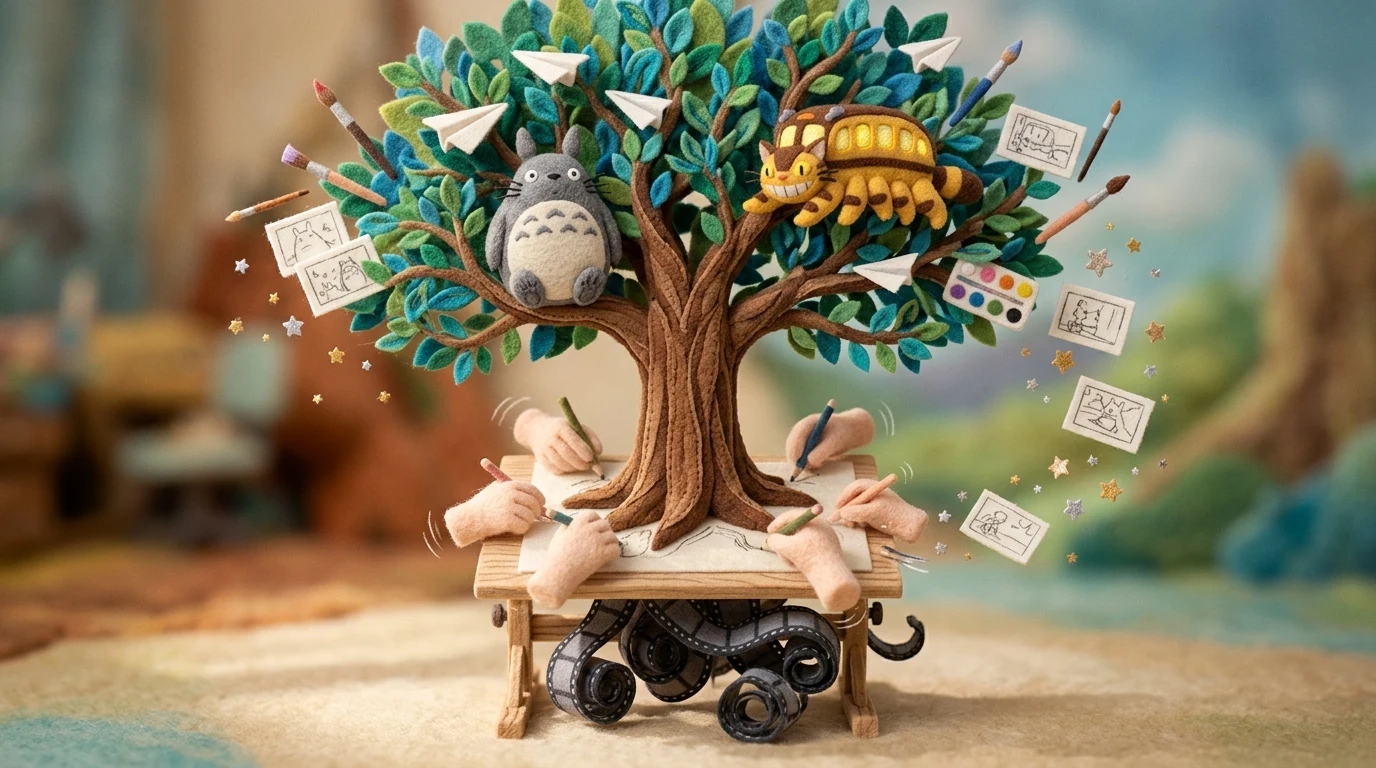
Studio Ghibli stands as one of the most influential animation studios in cinema history, transcending the boundaries of anime to become a globally recognized cultural phenomenon. Founded in 1985 by Hayao Miyazaki and Isao Takahata, the studio has redefined what hand-drawn animation can achieve—blending meticulous artistry with deeply human storytelling. From Spirited Away to My Neighbor Totoro, Studio Ghibli's films have captivated audiences across generations and continents, earning critical acclaim and commercial success that few animation studios have matched.
Quick Answer: Studio Ghibli is a Japanese animation studio renowned for crafting visually stunning, emotionally resonant films that appeal to both children and adults worldwide. Its cultural significance lies in elevating animation to fine art, influencing filmmakers globally and proving that hand-drawn animation can compete with any medium in artistic depth and commercial viability.
This article explores the studio's rich history, examines its most iconic films, and analyzes the cultural impact that transformed a Tokyo-based animation house into a household name. Whether you're a longtime fan or discovering Studio Ghibli for the first time, you'll understand why this studio matters—and why its legacy continues to inspire creators across film, animation, and visual storytelling.
Table of Contents
- The Founding and Early Years of Studio Ghibli
- Studio Ghibli's Most Iconic Films and Themes
- Studio Ghibli's Artistic Style and Animation Techniques
- Studio Ghibli's Distribution and Streaming Availability
- Key Figures Behind Studio Ghibli's Success
- Studio Ghibli's Global Impact and Cultural Legacy
- Why Studio Ghibli Remains Essential to Modern Animation
The Founding and Early Years of Studio Ghibli
Studio Ghibli was founded on June 15, 1985, by directors Hayao Miyazaki and Isao Takahata alongside producer Toshio Suzuki, emerging from the ashes of Topcraft, a struggling animation house whose assets the trio acquired. This founding moment represented far more than a simple business venture—it was a deliberate act of creative rebellion against the animation industry's prevailing practices. At a time when Japanese animation was often relegated to low-budget television productions, these three visionaries envisioned a studio capable of producing theatrical-quality films that would command respect as genuine art forms rather than disposable entertainment.
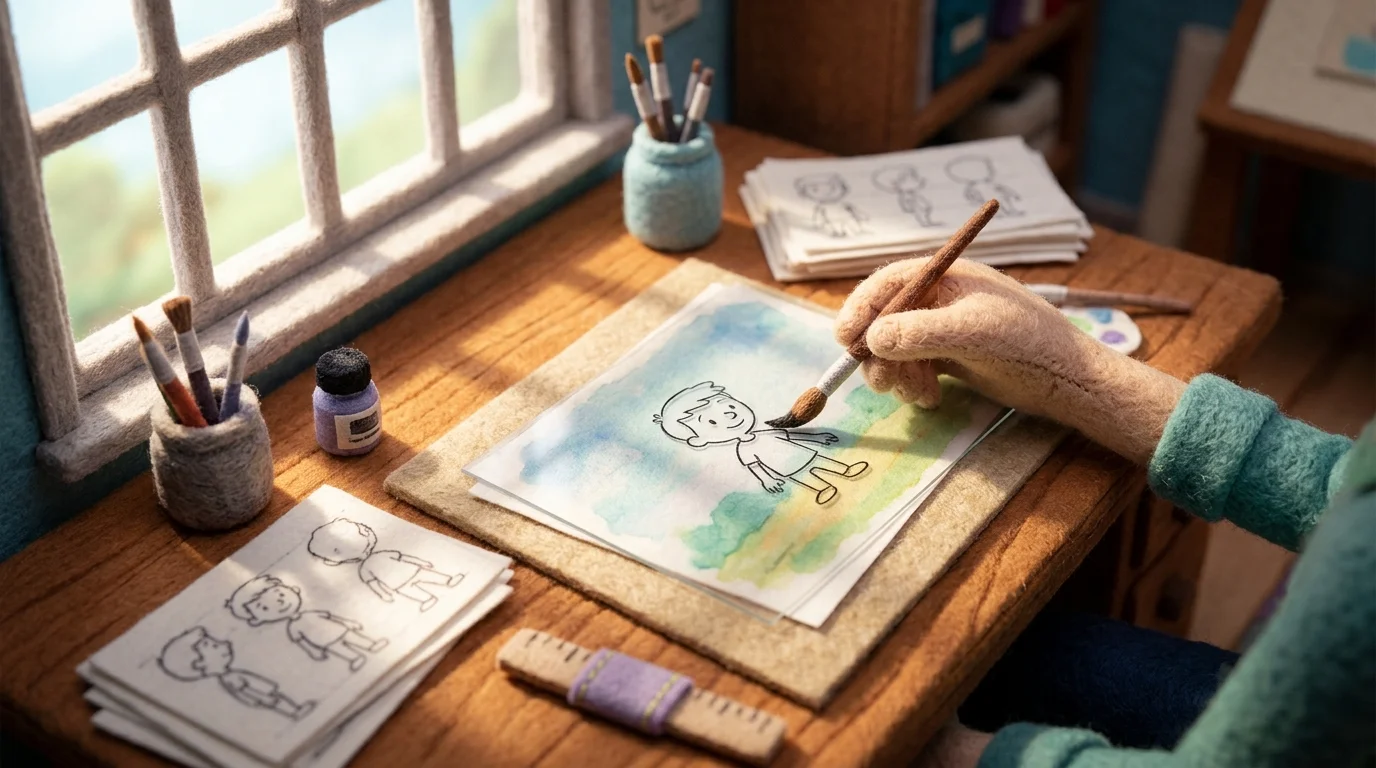
The studio's initial philosophy centered on meticulous hand-drawn animation paired with narratives that honored both child and adult sensibilities. Unlike competitors who prioritized efficiency and cost-cutting, Ghibli invested heavily in detailed character design, lush backgrounds, and narrative depth. Their first feature, Nausicaä of the Valley of the Wind (1984), technically preceded the studio's official founding but established the creative template that would define Ghibli's identity: environmentally conscious storytelling, morally complex protagonists, and animation that breathed with life.
The studio's early years saw rapid critical and commercial success. Castle in the Sky (1986) and My Neighbor Totoro (1988) followed, each demonstrating Ghibli's ability to craft intimate, character-driven stories set within fantastical worlds. These films rejected the anime generator aesthetic that dominated contemporary animation, instead favoring organic character movement and painterly backgrounds that felt hand-crafted rather than mechanically produced. Kiki's Delivery Service (1989) further solidified the studio's reputation, proving that Ghibli's approach—investing in artistic quality and emotional authenticity—could achieve both critical acclaim and commercial viability. By the early 1990s, Studio Ghibli had fundamentally altered how the industry perceived animation's potential, establishing itself not as a mere production house but as a creative institution capable of producing masterpieces.
Studio Ghibli's Most Iconic Films and Themes
Studio Ghibli's filmography represents a masterclass in visual storytelling, with each major work exploring profound themes through meticulately crafted worlds. The studio's films transcend the typical cartoon image or generic picture cartoon aesthetic, instead creating immersive narratives that demand emotional investment from viewers of all ages.
Spirited Away stands as the studio's crowning achievement. This 2001 film follows Chihiro, a girl navigating a bathhouse inhabited by spirits, as she confronts greed, identity, and environmental destruction. According to The Hollywood Reporter, the film won the Academy Award for Best Animated Feature at the 75th Academy Awards, becoming the first hand-drawn, non-English-language animated film to claim the honor. Its visual complexity—layered backgrounds, fluid character animation, and symbolic imagery—established a new standard for what animation could achieve artistically. The film's success demonstrated that audiences worldwide craved stories with genuine thematic depth, not merely entertainment.
Princess Mononoke (1997) exemplifies Ghibli's environmental consciousness. Set in a fantasy Japan where humans and nature collide, the film presents neither side as purely villainous. The protagonist, Ashitaka, exists between worlds, forced to understand competing moral perspectives. This moral ambiguity became a Ghibli trademark, rejecting simplistic good-versus-evil narratives in favor of nuanced human conflict.
My Neighbor Totoro and Howl's Moving Castle showcase the studio's range. Totoro captures childhood wonder through intimate character moments and painterly backgrounds, while Howl's Moving Castle weaves romance, war, and self-acceptance into a visually dazzling adventure. Both films prove that Ghibli excels equally at quiet, introspective storytelling and grand fantastical spectacle.
Common thematic threads unite these masterpieces: environmentalism, the loss of innocence, the power of human connection, and resistance to industrialization. Rather than preaching, Ghibli embeds these themes within character journeys, allowing audiences to discover meaning organically. The studio's commitment to hand-drawn animation—rejecting computer-generated shortcuts—reinforces this philosophy: genuine artistry requires patience, craft, and human touch. This dedication explains why Ghibli's films endure while countless ai cartoon generator-produced works fade into obscurity. The studio's legacy rests not on technological innovation but on the irreplaceable value of artistic vision executed with meticulous care.
Studio Ghibli's Artistic Style and Animation Techniques
Studio Ghibli's visual identity emerges from a deliberate rejection of shortcuts. While contemporary animation increasingly relies on computer-generated imagery, Ghibli maintains an unwavering commitment to hand-drawn animation—a choice that fundamentally shapes every frame. This approach demands meticulous planning: animators work from detailed storyboards, backgrounds are painted individually, and color palettes are carefully curated to evoke specific emotional registers. The studio's refusal to compromise on this methodology, even as AI art generators and automated tools proliferate throughout the industry, underscores a philosophy that authentic artistry cannot be outsourced to algorithms.
The studio's aesthetic draws deeply from traditional Japanese painting, particularly the emphasis on negative space, subtle gradations of color, and the suggestion of movement rather than its explicit depiction. Backgrounds function as characters themselves—lush forests breathe with life, decaying mansions whisper stories, and industrial landscapes carry moral weight. This approach contrasts sharply with picture cartoon images generated through automated processes, which often flatten spatial depth and prioritize novelty over narrative coherence.

Color work at Ghibli operates with remarkable restraint. Rather than overwhelming viewers with saturation, the studio employs muted earth tones punctuated by strategic bursts of vibrant hue. This restraint creates visual breathing room and allows emotional moments to resonate without chromatic distraction. The consistency of this approach across multiple films—maintained through rigorous quality control and a stable core of artists—ensures that each Ghibli production feels unmistakably part of a unified artistic vision.
The studio's background artists deserve particular recognition. These specialists spend weeks rendering single environments, layering watercolor, gouache, and ink to achieve atmospheric depth. This painstaking process explains why Ghibli backgrounds possess a tangible dimensionality that separates them from more expedient production methods. The commitment to this craft—over speed or efficiency—defines what elevates Studio Ghibli above the commercial machinery of mainstream animation.
Studio Ghibli's Distribution and Streaming Availability
Accessing Studio Ghibli's films has become significantly easier over the past decade, though availability varies considerably by geography and platform. The studio's distribution landscape shifted dramatically following Studio Ghibli's acquisition by Nippon Television Network Corporation in 2020, which restructured how films reach global audiences.
In the United States, Max (formerly HBO Max) serves as the exclusive streaming home for Studio Ghibli's complete catalog. This partnership ensures high-quality streaming with minimal compression, preserving the visual artistry that defines the studio's work. Internationally, according to What's on Netflix, Netflix holds streaming rights across most regions, with films remaining available until July 1, 2026.

Physical media remains a viable option for collectors and archivists. Blu-ray and DVD releases maintain superior picture quality compared to streaming, particularly important given Studio Ghibli's meticulous color grading and background detail work. Theatrical releases continue in select markets, offering the definitive experience for experiencing these films' visual scope.
Regional licensing creates complexity—some films may be unavailable in specific countries due to existing distribution contracts or rights holders. Checking your local platform's catalog before planning a viewing session prevents disappointment. The studio has also begun releasing new content through these established channels, ensuring recent projects follow the same distribution framework that made earlier films accessible worldwide.
Key Figures Behind Studio Ghibli's Success
Studio Ghibli's legacy was forged by a core group of visionary artists whose distinct talents coalesced into a unified cinematic voice. At the heart of the studio are co-founders Hayao Miyazaki and Isao Takahata, whose contrasting directorial philosophies shaped its creative DNA. Miyazaki, known for his lush hand-drawn animation and humanistic themes, directed timeless works like My Neighbor Totoro and Spirited Away, infusing them with ecological consciousness and resilient female protagonists. Takahata brought a more naturalistic, socially grounded approach, evident in the emotional depth of Grave of the Fireflies and the minimalist beauty of My Neighbors the Yamadas. Their partnership, though occasionally strained, established a culture of artistic rigor and narrative ambition.
Equally essential is composer Joe Hisaishi, whose sweeping scores have defined the studio's sonic identity for over four decades. Beginning with Nausicaä of the Valley of the Wind, Hisaishi has composed music for nearly all of Miyazaki's films, creating melodies that amplify emotion and elevate storytelling. According to Dazed Digital, his collaboration with Miyazaki spans 11 Ghibli films, marked by a rare creative symbiosis. Producer Toshio Suzuki provided strategic leadership, balancing artistic integrity with commercial viability, while newer voices like Miyazaki's son Goro and The Tale of the Princess Kaguya director Isao Takahata ensured continuity amid generational transition.
Studio Ghibli's Global Impact and Cultural Legacy
Studio Ghibli transcended the boundaries of Japanese animation to reshape global perceptions of anime as a legitimate art form. What began as a niche interest in Western markets evolved into mainstream cultural phenomenon, fundamentally altering how international audiences and filmmakers approached animated storytelling. The studio's influence extends far beyond box office numbers—it redefined what animation could achieve artistically and narratively.
Hayao Miyazaki's recognition stands as testament to this global impact. According to Variety's reporting on Miyazaki's career milestones, he received an Academy Honorary Award in 2014 and won Best Animated Feature for The Boy and the Heron at age 83 in 2024, becoming the oldest director to receive this honor. These accolades signaled that Ghibli's work had achieved parity with Western cinema in critical and institutional recognition.
The studio's cultural footprint manifests through merchandise ecosystems, fan communities, and dedicated physical spaces. Ghibli Park, which opened in November 2022 in Aichi Prefecture, demonstrates this tangible legacy—the immersive experience welcomes approximately 5,000 visitors daily across five themed areas, with capacity carefully managed to preserve the intimate, artistic vision that defines the studio's brand.
In September 2023, Nippon Television acquired 42.3% of Studio Ghibli's shares, addressing succession concerns as Miyazaki and producer Toshio Suzuki approached their eighties. This strategic acquisition ensures continuity while raising questions about creative autonomy and future projects. The partnership balances institutional stability with artistic preservation—a delicate equilibrium that will shape Ghibli's next chapter.
The studio's influence on contemporary animators and visual artists remains immeasurable. Filmmakers worldwide cite Ghibli's hand-drawn techniques, environmental consciousness, and character-driven narratives as foundational inspiration. This legacy extends to how digital tools and visual design philosophies approach animation—from storyboarding workflows to color theory applications that echo Ghibli's meticulous aesthetic principles.
Why Studio Ghibli Remains Essential to Modern Animation
Studio Ghibli's enduring relevance stems from its refusal to compromise artistic vision for commercial expediency—a principle that has only grown more radical as digital animation dominates the industry. While computer-generated imagery offers speed and cost efficiency, Ghibli's hand-drawn methodology preserves a tactile, human quality that resonates precisely because it resists algorithmic perfection. The studio's films demonstrate that technical mastery and emotional depth are inseparable; their meticulous frame-by-frame animation doesn't merely showcase skill—it embeds care into every movement, every glance, every environmental detail.
Contemporary animators cite Ghibli's influence not as nostalgic reverence but as practical inspiration. The studio's approach to character animation, environmental storytelling, and color theory has become foundational language for visual creators across mediums. When modern studios attempt to capture similar emotional authenticity, they're often reverse-engineering principles Ghibli established decades ago. This isn't imitation; it's recognition that certain artistic truths transcend technological eras.
The September 2023 ownership transition to Nippon Television introduces uncertainty yet also opportunity. Institutional backing could enable larger-scale projects and global distribution while potentially threatening the creative autonomy that defines Ghibli's identity. The studio now faces its most consequential question: how to preserve artistic integrity while ensuring institutional survival beyond its founding visionaries.
For contemporary audiences, Studio Ghibli's films offer something increasingly rare—narratives that trust viewers' intelligence, refuse easy resolutions, and prioritize atmosphere over spectacle. In an era of franchise fatigue and algorithmic content recommendation, Ghibli's singular vision represents creative possibility itself. The studio's future matters not because it will dominate animation markets, but because it demonstrates that uncompromising artistry remains commercially viable and culturally necessary.


Ready to jump in?
Upload a photo, describe a change and review the result. Try 1 credit after signup and email verification.