Mar 24, 2026
What Is an AI Generator and How Does It Work in 2026
AI generators have become central to how we create, edit, and transform digital content. Whether you're a photographer refining images, a marketer producing copy, or a designer exploring new possibilities, these tools are reshaping what's possible in 2024. Understanding how artificial intelligence generators actually work—not just what they do—gives you the power to use them effectively and recognize their real value beyond the hype.
Quick Answer:
An AI generator is a software system powered by machine learning models that creates, transforms, or enhances digital content based on text prompts or input data. These tools work by analyzing patterns in vast datasets, then applying that knowledge to generate new outputs in seconds. They're used across photo editing, copywriting, design, and countless other fields to automate creative work and boost productivity.
This guide walks you through what AI generators are, the mechanics behind how they function, their practical applications in 2024, and what limitations you should know about. By the end, you'll understand not just the "what" but the "why"—so you can evaluate which tools actually match your needs rather than chasing every new release.
Table of Contents
- Core Capabilities: What AI Generators Can Actually Do
- How AI Generators Work: The Technology Behind the Magic
- Popular AI Generator Applications Across Industries
- Choosing the Right AI Generator for Your Needs
- Advantages and Limitations of AI Generators
- Best Practices for Getting the Most From AI Generators
- Moving Forward: AI Generators as Essential Tools in 2026 and Beyond
Core Capabilities: What AI Generators Can Actually Do
AI generators excel across several distinct domains, each transforming different types of input into polished outputs. Understanding these core capabilities helps you recognize where these tools genuinely solve problems versus where they fall short.
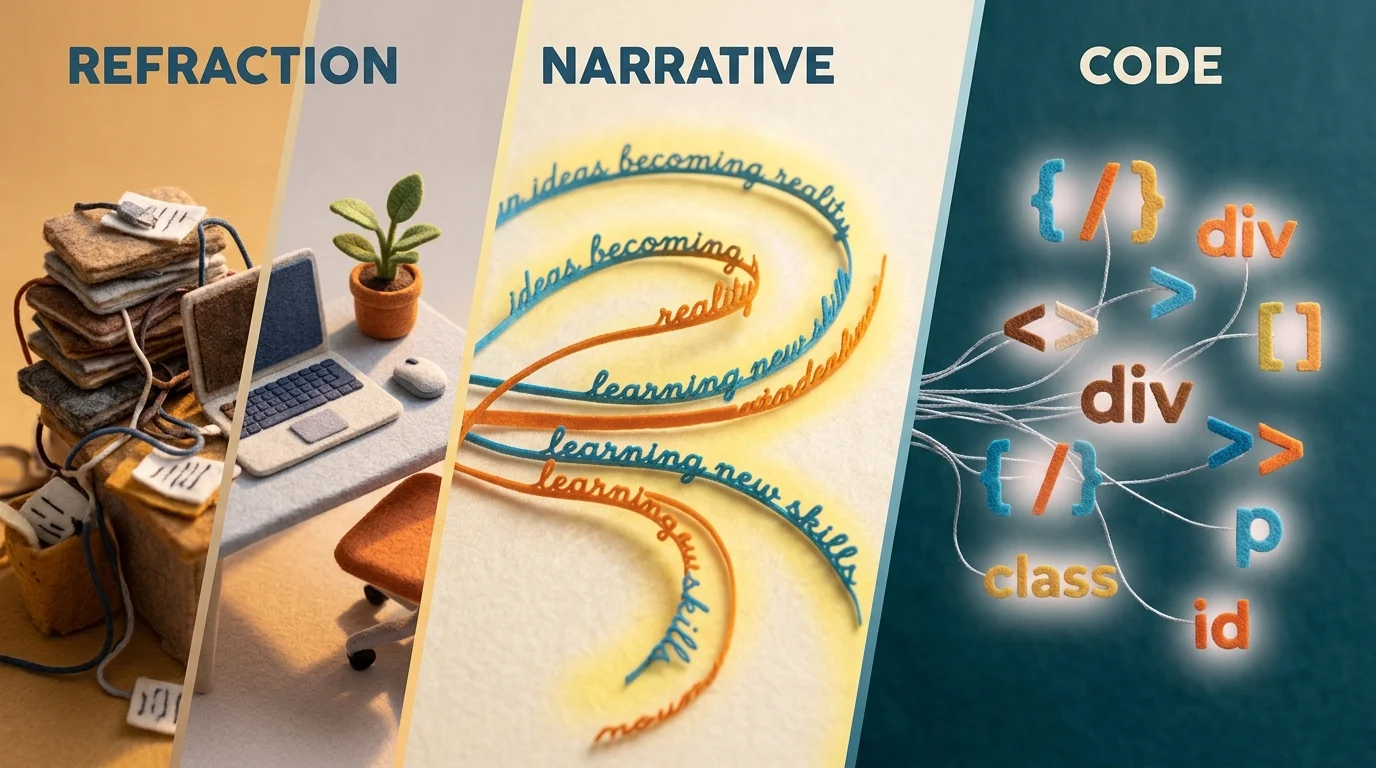
Image generation and transformation represents the most visible capability. These systems create entirely new images from text descriptions, but equally valuable is their ability to edit existing photos—removing unwanted objects, adjusting backgrounds, enhancing details, or applying stylistic changes. Real estate photographers, for instance, use AI to declutter listing photos in seconds, while designers leverage these tools to rapidly explore visual variations. Approximately 34 million new AI-generated images are created every day globally, reflecting how embedded this capability has become in professional workflows.
Text generation powers content creation across marketing, customer support, and technical writing. Rather than starting from a blank page, users provide prompts or outlines, and the system generates drafts that require refinement rather than creation from scratch. About 63% of companies now use generative AI to write text content, treating it as a productivity multiplier rather than a replacement for human judgment. The output quality depends heavily on prompt specificity—vague requests produce generic results, while detailed briefs yield targeted copy.
Code generation assists developers by translating natural language descriptions into functional code snippets. This accelerates routine tasks like API integration or data processing, though complex architectural decisions still require human expertise. Roughly 27% of companies employ AI for coding assistance.
Design and creative synthesis blends these capabilities—generating layouts, color schemes, or complete visual concepts based on briefs. An artificial intelligence generator operating in this space learns patterns from thousands of designs, then applies those patterns to new projects.
What ties these capabilities together is the underlying mechanism: pattern recognition at scale. The system doesn't "understand" in a human sense; it predicts the next logical output based on statistical patterns learned during training. This explains both their power and their limitations—they excel at remixing existing patterns but struggle with truly novel problems or nuanced judgment calls that require contextual reasoning beyond their training data.
How AI Generators Work: The Technology Behind the Magic
At their core, AI generators rely on machine learning models called neural networks—complex systems loosely inspired by the human brain. These networks consist of layers of interconnected nodes that process data in stages, identifying patterns and relationships. When you provide a prompt, the system breaks it down, analyzes context, and predicts the most statistically probable output based on what it learned during training.
Training involves exposing the model to massive datasets—like text, images, or code—so it learns structure and style. For example, one large language model was trained on nearly half a trillion words, allowing it to generate coherent, context-aware responses. The breakthrough behind modern generators is the transformer architecture, introduced in the influential paper "Attention Is All You Need" by researchers at Google and detailed by IBM. This design uses self-attention mechanisms to weigh the importance of different words or elements in a sequence, processing them in parallel rather than one at a time, which dramatically improves speed and contextual accuracy.
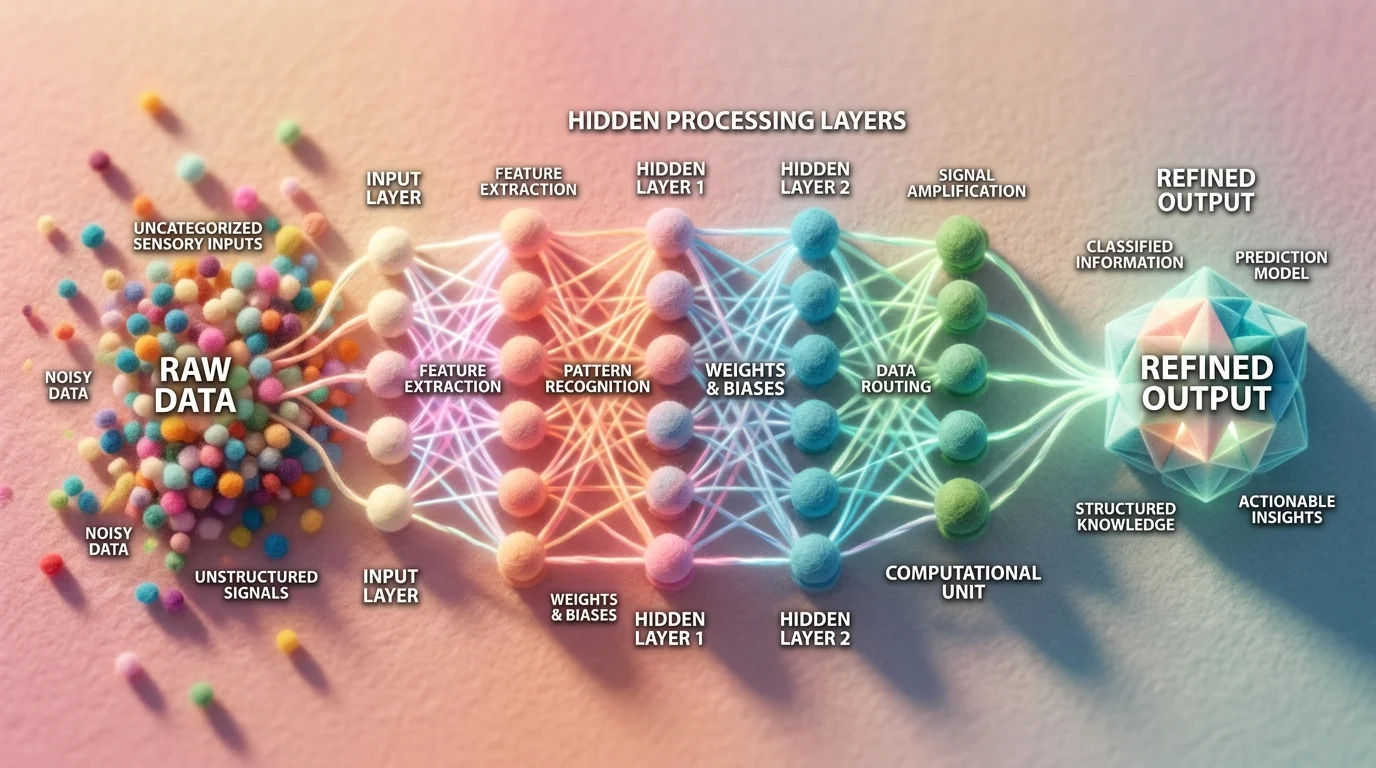
The process unfolds in three phases: input encoding, pattern synthesis, and output generation. First, your prompt is converted into numerical data the network can process. Then, the model traverses its layers, activating pathways shaped by prior training. Finally, it constructs a response—whether text, image, or code—token by token, pixel by pixel. Each decision is probabilistic, guided not by understanding but by statistical likelihood. This is how an artificial intelligence generator produces results that feel intuitive, even creative—despite operating entirely through patterned computation.
Popular AI Generator Applications Across Industries
AI generators have moved beyond experimental tools into essential workflows across virtually every sector. The technology's versatility means different industries leverage it in fundamentally different ways—each extracting value aligned with their specific challenges and output requirements.
Creative and Marketing Professionals have embraced generative AI at scale. According to GeniusAI Tech's 2025 analysis, 92% of marketers now use generative AI for content creation and ideation. Designers use image generators to rapidly prototype concepts, copywriters generate multiple headline variations for A/B testing, and video creators produce background assets and transitions without outsourcing. The speed advantage is transformative—what took hours now takes minutes, freeing professionals to focus on strategy and refinement rather than repetitive production.
Real Estate Professionals have discovered one of the most measurable applications. According to research from Deptho AI, 60% of real estate photographers are already using AI tools for processing and editing, with editing times dropping up to 90% for large batches. Beyond speed, AI object removal and background enhancement directly impact sales velocity. Virtually staged or decluttered listings spend an average of 24 days on market versus 90 days for unstaged properties—a 73% faster sales rate. Tools designed specifically for this workflow, like real estate photo editing platforms, handle bulk processing with MLS-safe presets and hi-resolution exports, making it practical for agents managing dozens of listings simultaneously.

Education and Training sectors use AI generators to personalize learning at scale. Educators generate practice questions, create multiple versions of assignments to prevent cheating, and produce explanatory diagrams tailored to different learning styles. Students use them to brainstorm essay outlines, debug code, and understand complex concepts through instant, patient explanations.
Business Operations benefit from AI generators handling administrative overhead. Customer service teams generate response templates, HR departments create job descriptions, and finance teams produce report summaries from raw data. The artificial intelligence generator becomes a productivity multiplier—not replacing judgment, but eliminating the friction of routine output creation.
Each application shares a common thread: AI generators excel where speed, volume, or personalization previously created bottlenecks. The technology doesn't replace expertise—it amplifies it.
Choosing the Right AI Generator for Your Needs
Selecting an AI generator isn't one-size-fits-all. The right choice depends on your specific workflow, budget, and quality expectations. Start by identifying what you're actually trying to create or transform—text, images, code, or something else entirely—because different generators excel in different domains.
Ease of use matters more than you'd think. A powerful tool that requires technical setup or steep learning curves often sits unused. Free trials and no-signup previews let you test the interface before committing. Some platforms prioritize speed and simplicity, while others offer advanced controls for users who need granular customization. Consider whether you need bulk processing capabilities (handling dozens of items at once) or single-item refinement.
Output quality and specialization go hand-in-hand. General-purpose AI generators handle broad tasks adequately, but specialized tools deliver superior results in their niche. For photo editing, platforms like Weezard focus specifically on visual transformation—object removal, retouching, background changes—with features tailored to professional workflows like real estate or e-commerce. These specialized generators often include MLS-safe presets, batch processing, and high-resolution exports that general tools simply don't prioritize.
Pricing structures vary significantly. Some operate on monthly subscriptions with credit rollover, others charge per-use, and many offer free tiers to start. Evaluate whether you need consistent monthly access or occasional use. According to IDC research sponsored by Microsoft, generative AI delivers an estimated 3.7 times return per dollar invested, making the ROI calculation straightforward for business applications.
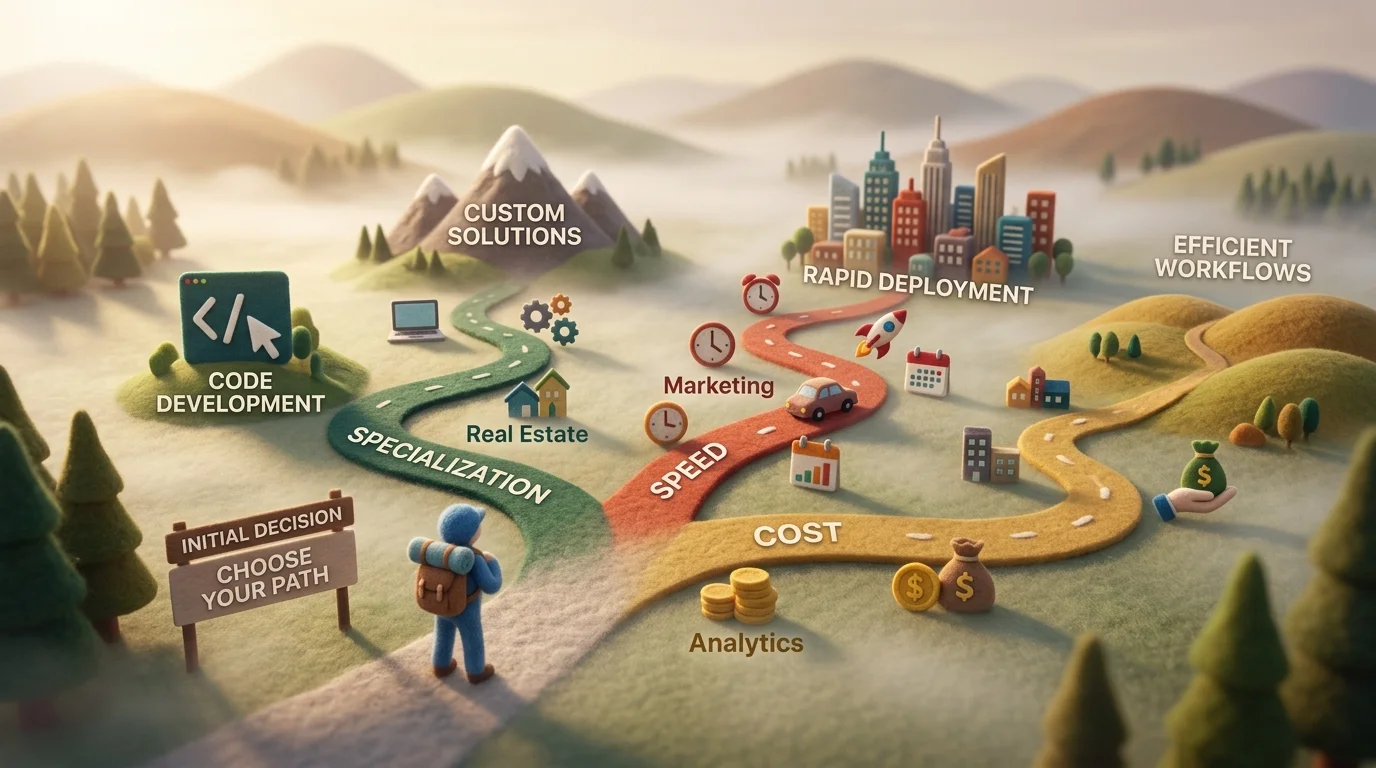
Ask yourself these questions: Does this generator integrate with my existing tools? Do I need customer support, or is documentation sufficient? Will I hit usage limits quickly? The best AI generator is the one that eliminates friction from your actual workflow, not the one with the longest feature list.
Advantages and Limitations of AI Generators
AI generators deliver measurable productivity gains, but they're far from perfect. Understanding both sides helps you deploy them strategically rather than expecting them to replace human judgment entirely.
| Advantages | Limitations |
|---|---|
| Speed & Efficiency — Complete tasks in seconds that once took hours. Batch processing handles dozens of images simultaneously. | Accuracy Inconsistencies — Output quality varies unpredictably. AI may miss subtle details or misinterpret context, requiring review. |
| Cost Reduction — According to GeniusAI Tech research, AI-powered automation saves businesses $150 billion annually and reduces operational costs by up to 35%. | Creative Constraints — Generators work within training data patterns. Truly novel or niche requests often fail or produce generic results. |
| Accessibility — Non-experts can produce professional-quality outputs without specialized training or expensive software. | Human Oversight Required — Output always needs verification. Errors compound when you skip review, especially in high-stakes work like real estate listings. |
| Scalability — One person handles workloads that previously required teams. Perfect for bulk edits, background removal, or retouching across hundreds of photos. | Ethical & Legal Gray Areas — Copyright concerns, bias in training data, and disclosure requirements remain unresolved in many jurisdictions. |
The reality is nuanced. An artificial intelligence generator excels at repetitive, well-defined tasks—object removal from product photos, background standardization, basic retouching. It struggles with subjective decisions, edge cases, and work requiring cultural sensitivity or artistic judgment. The technology amplifies human capability when used as a tool, but it creates bottlenecks when treated as a replacement for critical thinking.
Success depends on matching the tool to the task. Use AI generators where they genuinely save time and improve consistency. Maintain human control where quality, originality, or ethical considerations matter most.
Best Practices for Getting the Most From AI Generators
Getting quality output from an AI generator isn't about luck—it's about strategy. The difference between mediocre and exceptional results often comes down to how you frame your request and validate the output.
Start with precise prompts. Vague instructions produce vague results. Instead of "remove the background," specify what you want: "remove the background and replace it with a clean white surface, keeping the subject sharp and well-lit." Include context about the intended use—whether it's for a real estate listing, product photography, or social media. The more specific your instruction, the fewer iterations you'll need.
Iterate intentionally. Rarely does the first output hit perfectly. Treat refinement as part of the process. If the AI generator produces something close but not quite right, adjust your prompt incrementally. Change one variable at a time—lighting, color tone, or object placement—so you understand what actually moves the needle. This builds intuition about how your specific tool responds.

Always review before publishing. Human oversight remains non-negotiable. Check for artifacts, unnatural edges, or details that don't align with your brand standards. This is especially critical in high-stakes work like real estate photography, where inconsistencies damage credibility. A 30-second review prevents reputation damage.
Batch similar tasks together. AI generators excel at repetitive work. Process 50 similar photos in one session rather than scattered throughout the week—you'll develop consistency in your prompts and catch patterns in output quality faster.
Know when to stop. Not every imperfection requires fixing. If the output serves its purpose and passes your quality threshold, ship it. Perfectionism kills productivity gains.
Moving Forward: AI Generators as Essential Tools in 2026 and Beyond
AI generators have transitioned from experimental novelties to indispensable tools across creative, technical, and commercial workflows. Whether you're a photographer refining real estate listings, a designer accelerating concept iterations, or a marketer producing scaled content, these systems now deliver measurable efficiency without requiring deep technical expertise. The barrier to entry has collapsed—accessible platforms with intuitive interfaces mean professionals at any skill level can harness generative AI immediately.
The technology continues advancing rapidly. Models grow more nuanced, execution speeds improve, and integration with existing software deepens. What matters now isn't whether to adopt AI generators, but which ones align with your specific workflow. For photo editing and enhancement, tools like Weezard demonstrate how AI can handle practical tasks—object removal, retouching, background transformation—with quality that meets professional standards. Start exploring generators relevant to your domain. The competitive advantage increasingly belongs to those who integrate these tools thoughtfully into their processes today.


Ready to jump in?
Upload a photo, describe a change and review the result. Try 1 credit after signup and email verification.